Are Vaccines Safe? Here’s What Science Says
Quick Answer:
Yes—vaccines are overwhelmingly safe. Backed by decades of research and real-world data from India’s Universal Immunization Programme, they undergo rigorous testing before approval. Side effects, when they occur, are usually mild (e.g., sore arm, low fever) and short-lived—far safer than the diseases they prevent.
Why I Trust Vaccines (And You Can, Too)
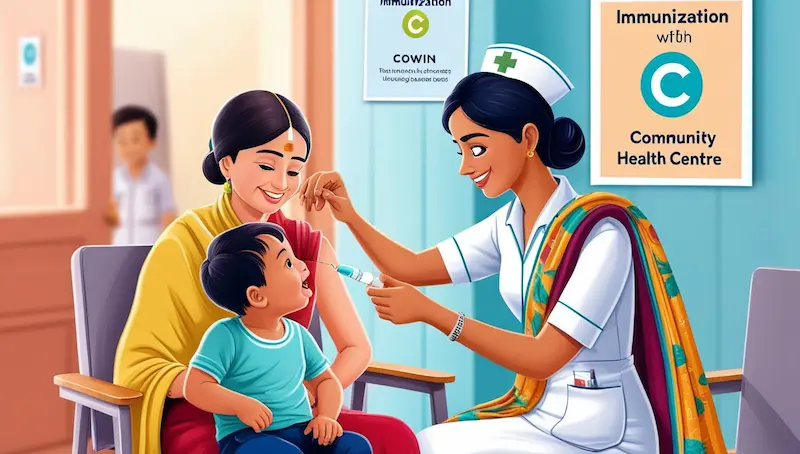
I still remember the first time I got my polio drops at my local health centre in Mumbai. I was a kid, anxious but curious. The nurse smiled, said, “This tiny drop keeps you healthy for life.” And she was right. Today, thanks to India’s massive immunization drive, polio is almost history here.
- Decades of Research: Every vaccine passes through multiple phases of clinical trials involving thousands of participants—only the safest make the cut.
- Strict Regulatory Oversight: In India, the CDSCO and WHO collaborate to ensure safety and efficacy before rollout.
- Ongoing Safety Monitoring: Even after approval, agencies continually collect data on adverse events, comparing risks against huge populations.
How Vaccines Work: A Simple Story
Imagine your body as a fortress. When a germ tries to invade, your immune system—a trained army—recognizes it and defends you. Vaccines give your army “practice drills” without the real enemy. They introduce harmless pieces (antigens) so your body learns to fight. Later, if the actual germ shows up, you’re ready.
- Primary Immunity: First dose → your body learns.
- Booster Shots: Reminders to keep memory strong.
- Community Protection: When enough people are immune, outbreaks fizzle out (herd immunity).
Common Concerns (And Clear Answers)
Can a vaccine give me the disease?
No. Vaccines use inactivated viruses, weakened strains, or tiny protein pieces—not live, harmful germs.
Are side effects dangerous?
Almost never. Most Indian patients report:
– Mild soreness at injection site
– Low-grade fever or fatigue
– Short-lived headache
These symptoms usually fade in 1–2 days—much easier than the full illness.
How do I know data isn’t biased?
India’s vaccine data comes from:
- Independent academic studies (AIIMS, ICMR)
- International bodies (WHO, UNICEF)
- Public-private monitoring networks
Real-Life Impact: India’s Success Stories
- Polio Eradication (2014): More than 400 million doses administered annually until zero cases.
- Measles & Rubella Campaign: Over 324 million children vaccinated across states.
- COVID-19 Drive: 2 billion+ doses delivered, saving countless lives.
These aren’t just numbers; they’re millions of families spared grief, missed work days, and medical bills.
How to Stay Safe When You Vaccinate
- Choose Accredited Centres: Government clinics or private hospitals with cold-chain monitoring.
- Check Your Schedule: Use vaccineplanner.in to track due dates by birth date.
- Ask Questions: Talk to the nurse—no question is too small.
- Report Side Effects: Use the CoWIN app or local health portal.
FAQ
Are vaccines safe for pregnant women in India?
Yes. Vaccines like tetanus toxoid and, in specific cases, COVID-19 are recommended during pregnancy under medical guidance. They protect both mother and baby.
Can I get multiple vaccines on the same day?
Absolutely. India’s immunization schedule often pairs shots (e.g., DPT + OPV). Your health worker ensures safe spacing and minimal discomfort.
What if I miss a dose—can I catch up?
Of course. The Universal Immunization Programme allows catch-up schedules. Just visit any government clinic, share past records, and they’ll guide you.
How do I know which vaccines I need as an adult?
Common adult vaccines include influenza (annually), tetanus booster (every 10 years), and pneumonia shots (if over 50 or high-risk). Your doctor can customise your plan.
Where can I find reliable vaccine information?
Trust official sources: MoHFW, ICMR, WHO, and the CoWIN portal.